MENU
WELCOME, EXPLORERS!
Join us at Moab Giants for a prehistoric adventure filled with life-sized dinosaurs, interactive discoveries, and unforgettable family fun.
🕒 OCTOBER OPENING HOURS
Open: Monday, Tuesday & Thursday–Sunday
Closed: Wednesdays
Hours: 10:00 AM – 6:00 PM
🎟 Last Admission: 5:00 PM
🕒 NOVEMBER OPENING HOURS
Open: Thursday–Monday
Closed: Tuesdays & Wednesdays
Hours: 10:00 AM – 5:00 PM
🎟 Last Admission: 4:00 PM
🦖 YOUR ADVENTURE INCLUDES
A scenic outdoor trail featuring life-sized dinosaurs
Interactive indoor exhibits for curious explorers
Incredible photo opportunities for the whole family
Hands-on experiences for adventurers of all ages
Bring the whole family for a day of discovery, excitement, and unforgettable memories in Utah’s dinosaur country!
We can’t wait to welcome you on your prehistoric adventure!
📲 Follow @moabgiants for the latest updates, special events, and more.
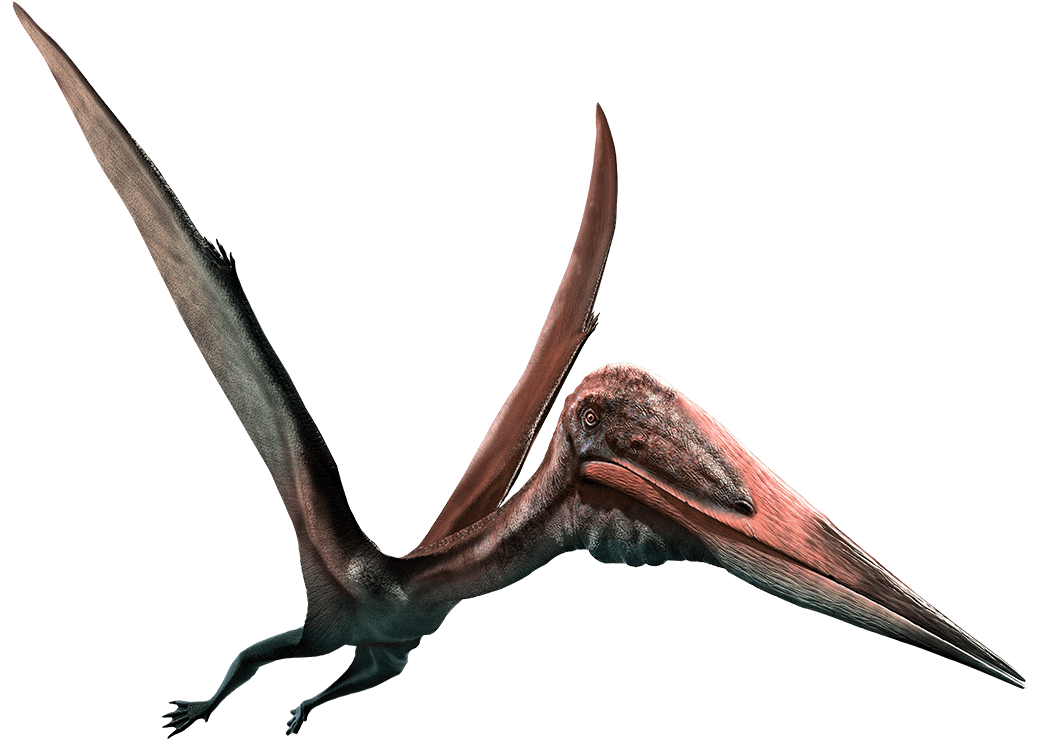
Diet : Carnivorous
Habitat : Lowland terrestrial area and aerial space above them
Length : About 13 feet (4 meters)
Weight : About 88 lb (40 kg)
Wingspan : Up to 16 feet (5 meters)
The footprints of named Haenamichnus, which refer to the large azhdarchids pterosaur, were found so far in the Lower and Upper Cretaceous of South Korea. The Haenamichnus trackway is characterized by being unusually narrow for the pterosaur track standarts. It suggests that limbs were located closer to the midline than in other pterosaurs, during their walking posture. Thus, azhdarchids appear to have one of the most energy-efficient postures and gaits known in any pterosaur. Them appear well-suited for locomotion in complex terrestrial environments. It was both bipedal and quadrupedal with their wings assisting their locomotion. The first find of this kind of footprint in the Dakota Group of the American West, just a 72 miles (115 km) east from Moab, was reported by Martin Lockley and co-authors.
Zhejiangopterus was a large Asian azdharchid pterosaur. These animals were toothless and had sharp edges to their jaws probably covered with long, narrow pointed beaks. The antorbital fenestra and external narial fenestra joined together and they create a single oval opening which occupies the half of the skull length. These openings would greatly reduce the weight of the head. The skull of Zhejiangopterus was relatively large in comparison to the rest of the body. The back of the skull was extended posteriorly. Attached in this place strong muscles, balanced the weight of big head. The long legs on Zhejiangopterus meant that it would have had a high walking gait while on the ground. This supports the hypothesis that the azhdarchids hunted like modern storks. Considering the reduced size of the pectoral girdle and the huge size of the skull, Zhejiangopterus would have been the poorest flyer among pterosaurs, or even completely flightless.