MENU
WELCOME, EXPLORERS!
Join us at Moab Giants for a prehistoric adventure filled with life-sized dinosaurs, interactive discoveries, and unforgettable family fun.
🕒 OCTOBER OPENING HOURS
Open: Monday, Tuesday & Thursday–Sunday
Closed: Wednesdays
Hours: 10:00 AM – 6:00 PM
🎟 Last Admission: 5:00 PM
🕒 NOVEMBER OPENING HOURS
Open: Thursday–Monday
Closed: Tuesdays & Wednesdays
Hours: 10:00 AM – 5:00 PM
🎟 Last Admission: 4:00 PM
🦖 YOUR ADVENTURE INCLUDES
A scenic outdoor trail featuring life-sized dinosaurs
Interactive indoor exhibits for curious explorers
Incredible photo opportunities for the whole family
Hands-on experiences for adventurers of all ages
Bring the whole family for a day of discovery, excitement, and unforgettable memories in Utah’s dinosaur country!
We can’t wait to welcome you on your prehistoric adventure!
📲 Follow @moabgiants for the latest updates, special events, and more.
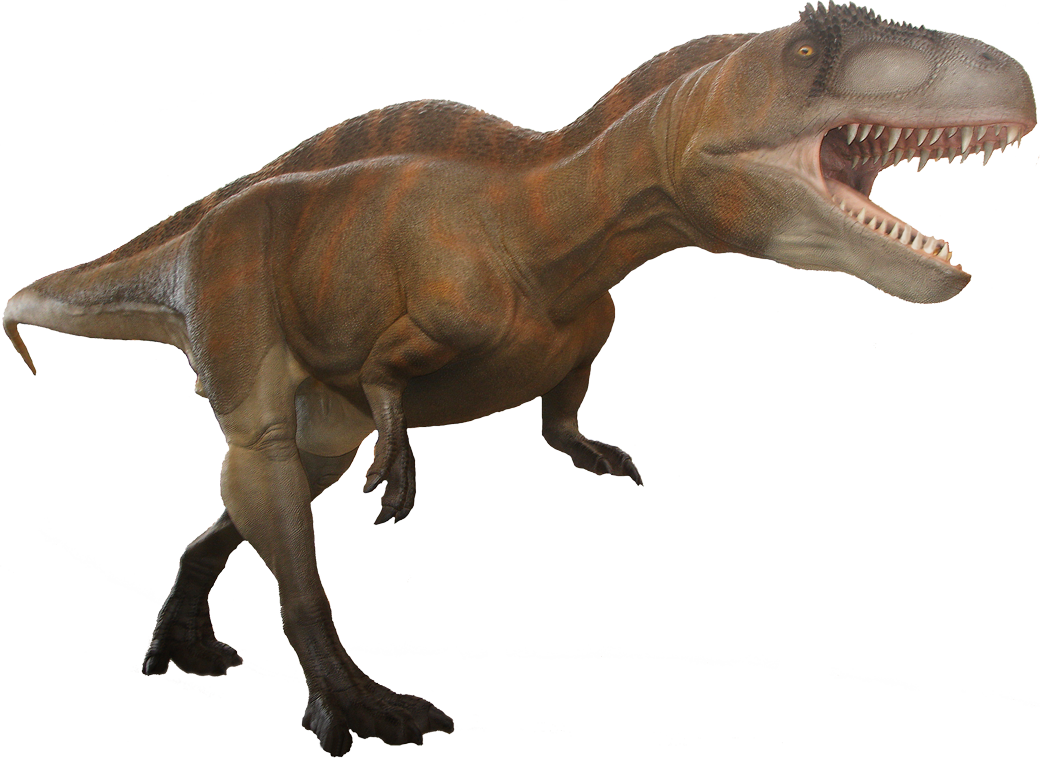
Diet : Carnivorous
Habitat : Floodplain, coastal swamps and marshes
Length : Up to 26 feet (8 m)
Weight : Weight about 5,070 lb (2.3 tonnes)
Irenesauripus is a large theropod, tridactyl track with relatively wide, spread out toes. Originally it was described by Charles Stenberg in 1932 from the Early Cretaceous Gething Formation of British Columbia, Canada. Irenesauripus is known from the Mill Canyon tracksite in Moab, Utah. In this area, Irenesauripus is an important component of the track assemblage of the Mill Canyon tracksite located near the Moab airport (described in several papers by the team of M. Lockley, G. Gierliński and co-authors).
Acrocanthosaurus atokensis from Early Cretaceous of Oklahoma and Texas is the most probably trackmaker of Irenesauripus tracks in North America. The head of this carnivorous dinosaur was armed with 68 serrated teeth. The both arms terminates in three wickedly curved large claws. Its vertebrae have had long vertebral spines up to 2 feet high (60 cm). The spines were thickly covered with muscle, and formed huge ridge. The lot of good preserved footprints have been found in few outcrops in Texas and Utah. They indicated that Acrocanthosaurus could run as fast as 25 mph (40 kph) and not have been a quick runner. By working in groups these dinosaurs were one of the most spectacular and dangerous predators of the Cretaceous period of America.