MENU
WELCOME, EXPLORERS!
Join us at Moab Giants for a prehistoric adventure filled with life-sized dinosaurs, interactive discoveries, and unforgettable family fun.
🕒 OCTOBER OPENING HOURS
Open: Monday, Tuesday & Thursday–Sunday
Closed: Wednesdays
Hours: 10:00 AM – 6:00 PM
🎟 Last Admission: 5:00 PM
🕒 NOVEMBER OPENING HOURS
Open: Thursday–Monday
Closed: Tuesdays & Wednesdays
Hours: 10:00 AM – 5:00 PM
🎟 Last Admission: 4:00 PM
🦖 YOUR ADVENTURE INCLUDES
A scenic outdoor trail featuring life-sized dinosaurs
Interactive indoor exhibits for curious explorers
Incredible photo opportunities for the whole family
Hands-on experiences for adventurers of all ages
Bring the whole family for a day of discovery, excitement, and unforgettable memories in Utah’s dinosaur country!
We can’t wait to welcome you on your prehistoric adventure!
📲 Follow @moabgiants for the latest updates, special events, and more.
Diet : Herbivorous
Habitat : Forests and lowlands with rivers and lakes
Length : About 6.5-13 feet (2-4 meters)
Weight : Weight up to 2200 lb (1 tonne)
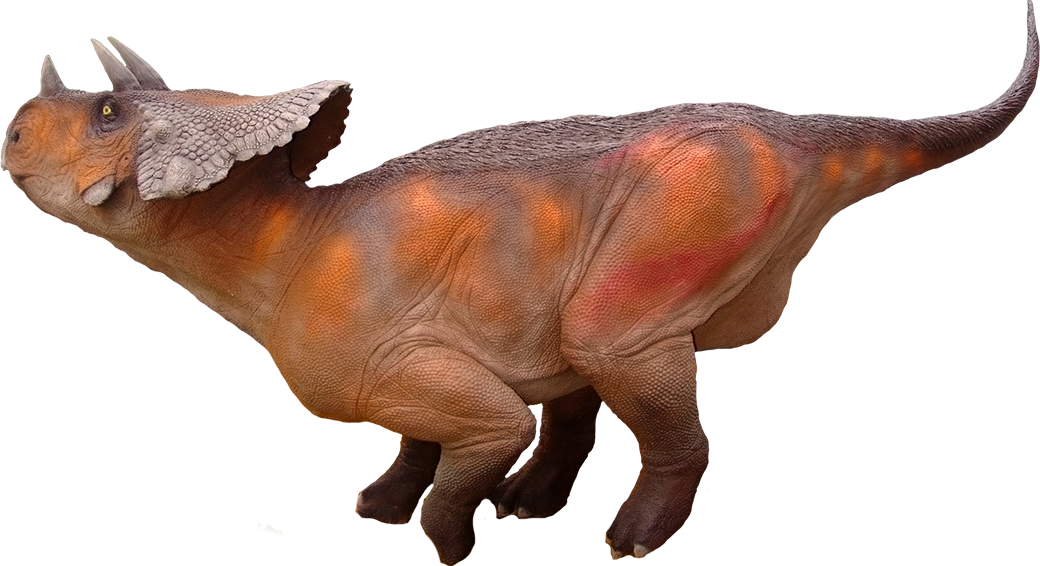
Tracks of a Late Cretaceous small to medium ceratopsid like Avaceratops, were found by Utah state paleontologist J. Kirkland in the Iron Springs Formation in Utah, in 2002. The more elongate version of those ichnites (tracks) is also known from the Late Cretaceous Blackhawk Formation, near Price in Utah. The most recent find came from Castlegate Sandstone of the Thompson Pass area (Utah) and is tentatively named by G. Gierliński as cf. Ceratopsipes.
Avaceratops was a small representative of ceratopsid (horned) dinosaurs from Late Cretaceous of Montana. It had a short single horn at the front of its skull. Its head was surrounded by a wonderful solid neck frill, without holes (fenestrae) to reduce its weight. Representatives of the species might have lived in herds and eaten low-growing plants. Food was picked with a horny beak. With the help of its tongue, it could move food inside its mouth where it had molar teeth that it used for grinding food.