MENU
WELCOME, EXPLORERS!
Join us at Moab Giants for a prehistoric adventure filled with life-sized dinosaurs, interactive discoveries, and unforgettable family fun.
🕒 OCTOBER OPENING HOURS
Open: Monday, Tuesday & Thursday–Sunday
Closed: Wednesdays
Hours: 10:00 AM – 6:00 PM
🎟 Last Admission: 5:00 PM
🕒 NOVEMBER OPENING HOURS
Open: Thursday–Monday
Closed: Tuesdays & Wednesdays
Hours: 10:00 AM – 5:00 PM
🎟 Last Admission: 4:00 PM
🦖 YOUR ADVENTURE INCLUDES
A scenic outdoor trail featuring life-sized dinosaurs
Interactive indoor exhibits for curious explorers
Incredible photo opportunities for the whole family
Hands-on experiences for adventurers of all ages
Bring the whole family for a day of discovery, excitement, and unforgettable memories in Utah’s dinosaur country!
We can’t wait to welcome you on your prehistoric adventure!
📲 Follow @moabgiants for the latest updates, special events, and more.
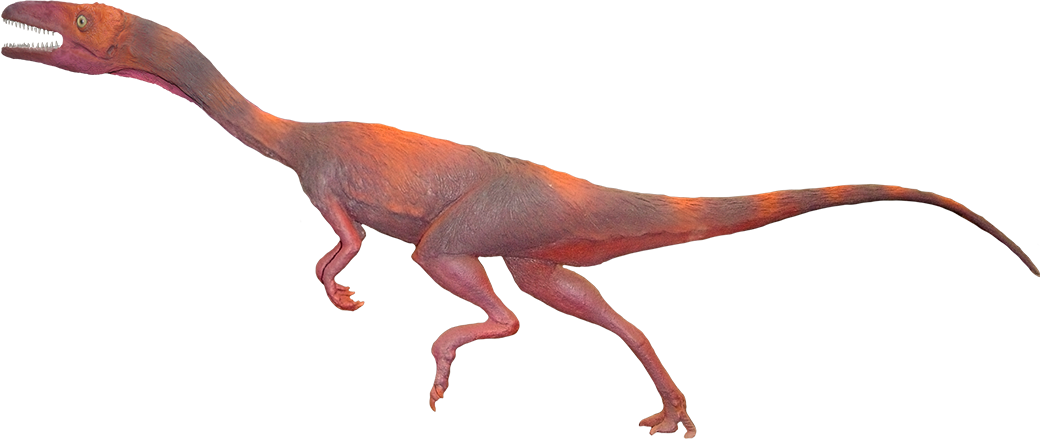
Diet : Carnivorous
Habitat : Plains with rivers and lakes
Length : 10 feet (3 meters)
Weight : About 110 lb (50 kg
The name Grallator means “one who walks on silts” and was created by Edward Hitchcock, the father of dinosaur ichnology, in 1858. It is one of the most common footprints found worldwide, mainly in the Late Triassic and Early Jurassic rock formations. In the Moab area, a number of Grallator finds came from Late Triassic deposits of the Chinle Group. Tracks are small, 3-5 inches (7.5-12.5 cm) long, left by three-toed bipeds, with the middle toe longest. Giving the impression that the animal moved very quickly, the trackways are always very narrow and with a long step. The footprints morphology corresponds with the Coelophysis-like foot.
The name Camposaurus means “Charles Lewis Camp’s lizard”. This in a coelophysid dinosaur genus from the Late Triassic of North America. The species Camposaurus arizonensis is based on only a few bones and is very similar to Coelophysis. Camposaurus although poorly known may be the oldest dinosaur in North America. Western North America has one of the best fossil records of Late Triassic dinosaurs. Upper Triassic strata are assigned to the Chinle Group which has yielded distinct dinosaur faunas from four different levels.