MENU
Diet : Carnivorous
Habitat : Woodlands
Length : 9,5-11,5 feet (3-3.5 meters)
Weight : 265-660 lb (120-300 kg)
Anchisauripus is the medium-sized grallatorid track, about 7-inches (18cm) long with misleading name which reflects the former idea of its affinity to Anchisaurus (meaning “near lizard”) – the Early Jurassic prosauropod. However, this track is clearly of a theropod, not sauropodomorph origin being the medial form between the well-recognized kinds of the early theropod ichnites. Anchisauripus is smaller and narrower than Eubrontes but not as small as narrow as Grallator. These tracks are mainly referred to the coelophysoid theropods and Liliensternus was a Late Triassic medium-sized coelophysoid which might evidently left the footprints classed as Anchisauripus. This kind of tracks is worldwide known from the numerous Late Triassic and Early Jurassic deposits. In the Moab area is not so common and occurs sparsely in the strata of Chinle Group.
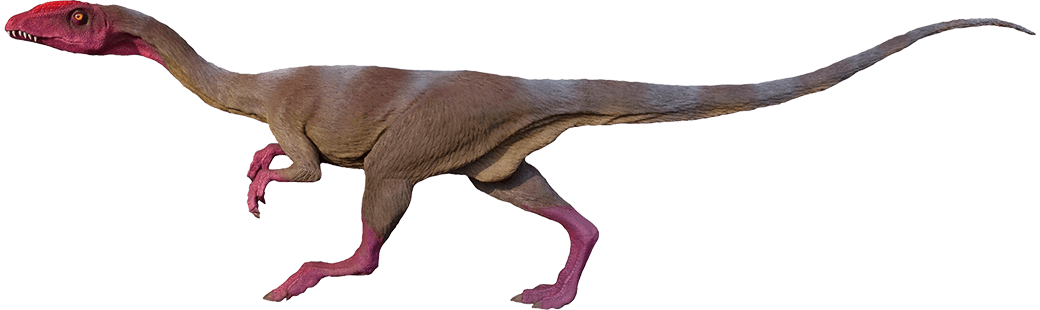
The name Liliensternus means “Lilienstern’s Lizard”. It was named after the German scientist, Dr. Hugo Rühle von Lilienstern. Liliensternus was a carnivorous coelophysoid dinosaur from the Late Triassic, found in the German Trossingen Formation. Its neck was long as was its tail. Liliensternus like most theropod dinosaurs was bipedal (two legged) with very short forelimbs. It probably fed on smaller herbivores.