MENU
WELCOME, EXPLORERS!
Join us at Moab Giants for a prehistoric adventure filled with life-sized dinosaurs, interactive discoveries, and unforgettable family fun.
🕒 OCTOBER OPENING HOURS
Open: Monday, Tuesday & Thursday–Sunday
Closed: Wednesdays
Hours: 10:00 AM – 6:00 PM
🎟 Last Admission: 5:00 PM
🕒 NOVEMBER OPENING HOURS
Open: Thursday–Monday
Closed: Tuesdays & Wednesdays
Hours: 10:00 AM – 5:00 PM
🎟 Last Admission: 4:00 PM
🦖 YOUR ADVENTURE INCLUDES
A scenic outdoor trail featuring life-sized dinosaurs
Interactive indoor exhibits for curious explorers
Incredible photo opportunities for the whole family
Hands-on experiences for adventurers of all ages
Bring the whole family for a day of discovery, excitement, and unforgettable memories in Utah’s dinosaur country!
We can’t wait to welcome you on your prehistoric adventure!
📲 Follow @moabgiants for the latest updates, special events, and more.
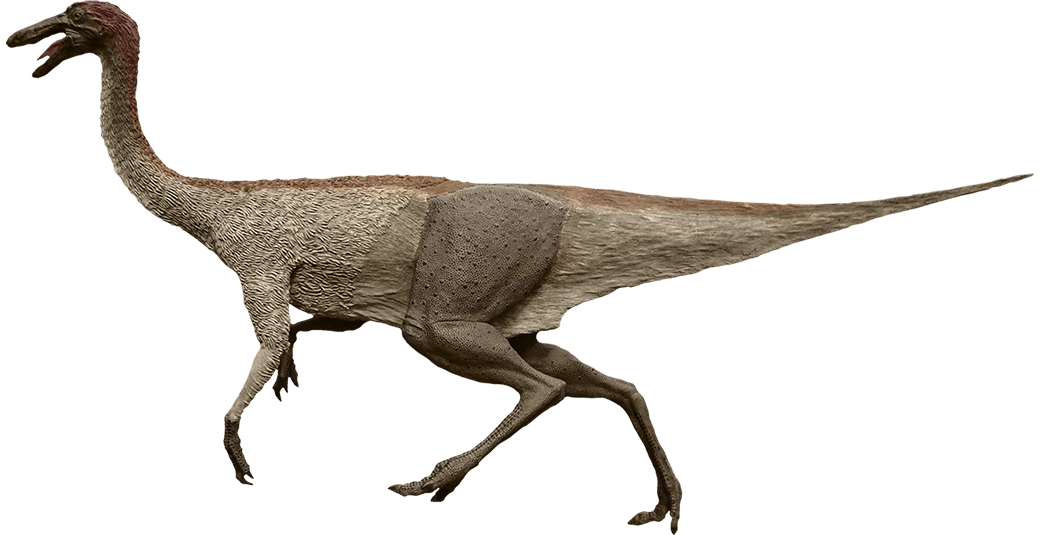
Diet : Omnivorous
Habitat : Asian plains
Length : 13-19 feet (4-6 meters)
Weight : About 265-990 lb (120-450 kg)
The name Magnoavipes means big bird track. This is a medium sized footprint about 8 inches (20 cm) long with three slender toes and the proximal pad located centrally in the bird fashion. The closest occurrence of this track type to Moab is about 70 miles (about 100 km) east, in the Early Cretaceous Dakota Group of the Dominguez-Escalante Conservation Area in Colorado. The site was described in 2014 by M. Lockley, G. Gierliński, J. Martin and K. Cart.
Gallimimus is a representative of the ornithomimids – a group of bird-like dinosaurs known from the Cretaceous period of Asia and North America. Polish paleontologists studying the Gobi desert dinosaurs contributed significantly to our knowledge of this species. This long-legged and long-necked dinosaur resembled an ostrich; however, it had a long tail and front limbs with three fingers. Supposedly, it led a similar mode of life to that of an ostrich and was also adapted to fast running. It is considered to be the fastest dinosaur by many researchers. Gallimimus had a toothless skull with horny blades on the edge of the beak. Thus, they were not major carnivores. Gastroliths (stomach stones) found in skeletons of other ornithomimids from Mongolia suggest that they were also herbivorous.