MENU
WELCOME, EXPLORERS!
Join us at Moab Giants for a prehistoric adventure filled with life-sized dinosaurs, interactive discoveries, and unforgettable family fun.
🕒 OCTOBER OPENING HOURS
Open: Monday, Tuesday & Thursday–Sunday
Closed: Wednesdays
Hours: 10:00 AM – 6:00 PM
🎟 Last Admission: 5:00 PM
🕒 NOVEMBER OPENING HOURS
Open: Thursday–Monday
Closed: Tuesdays & Wednesdays
Hours: 10:00 AM – 5:00 PM
🎟 Last Admission: 4:00 PM
🦖 YOUR ADVENTURE INCLUDES
A scenic outdoor trail featuring life-sized dinosaurs
Interactive indoor exhibits for curious explorers
Incredible photo opportunities for the whole family
Hands-on experiences for adventurers of all ages
Bring the whole family for a day of discovery, excitement, and unforgettable memories in Utah’s dinosaur country!
We can’t wait to welcome you on your prehistoric adventure!
📲 Follow @moabgiants for the latest updates, special events, and more.
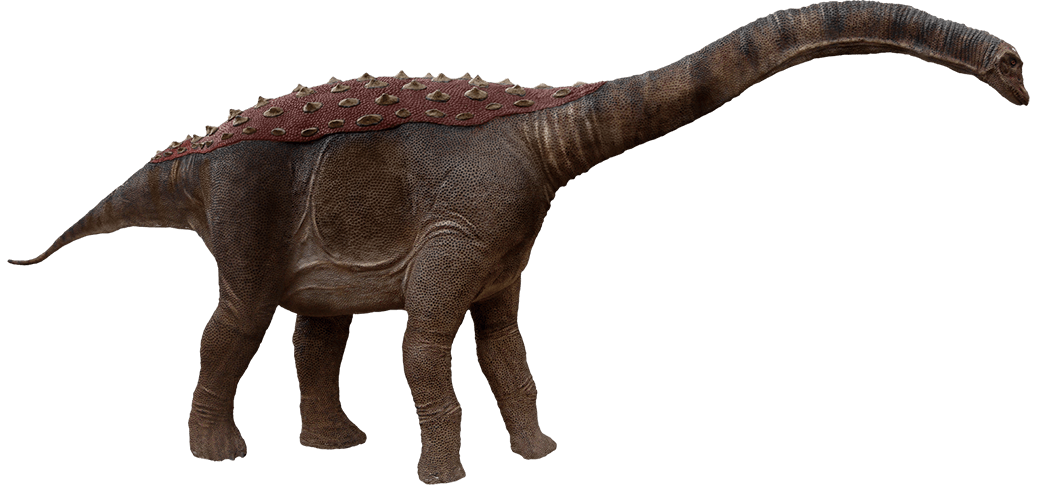
Diet : Herbivorous
Habitat : Southern American forests
Length : 28-40 feet (8.5-12 meters)
Weight : 5,500-17,600 lb (2.5-8 tonnes)
Saltasaurus is titanosauriform sauropods, which were responsible for making distinctive type of footprints differ from two widely known kinds of sauropod tracks – Parabrontopodus and Brontopodus. The exposure of the Cedar Mountain Formation, near the Moab airport, which is known as the Mill Canyon tracksite, yields such distinctive kind of trackway. The trackway is very similar to the Early Cretaceous titanosaur tracks described by D. Castanera and other Spanish researchers, in 2011, from the Teruel Province of Spain. Spanish researchers refer it to the footprints named Sauropodichnus and originally described from Argentina twenty years earlier by J. Calvo.
The good example of Sauropodoichnus trackmaker is Saltasaurus discovered in 1980, in the Salta region from Late Cretaceous of Argentina. This is a representative of the titanosaurs – the group of dinosaurs that comprised the largest animals that ever walked the Earth. This group of sauropods became widespread in the Late Cretaceous on almost all continents (except Antarctica). By that time their relatives (other sauropods) were already extinct. Saltasaurus was the first sauropod described with dermal armor composed of large plates aligned in regular rows, and smaller irregularly distributed plates (called osteoderms). Saltasaurus was quite small for a sauropod measuring only 40 feet (12 meters).