MENU
Step back in time and discover a world where dinosaurs once roamed!
Open: Monday, Tuesday & Thursday–Sunday
Closed: Wednesdays
10:00 AM – 6:00 PM
🎟 Last Admission: 5:00 PM
We can’t wait to welcome you on an unforgettable prehistoric adventure!
🎮 Hands-on experiences for explorers of all ages
Bring the whole family for a day of discovery, adventure, and unforgettable memories in Utah’s dinosaur country. 💚
🦖 We can’t wait to welcome you!
📲 Follow @moabgiants for the latest updates, special events, and more.
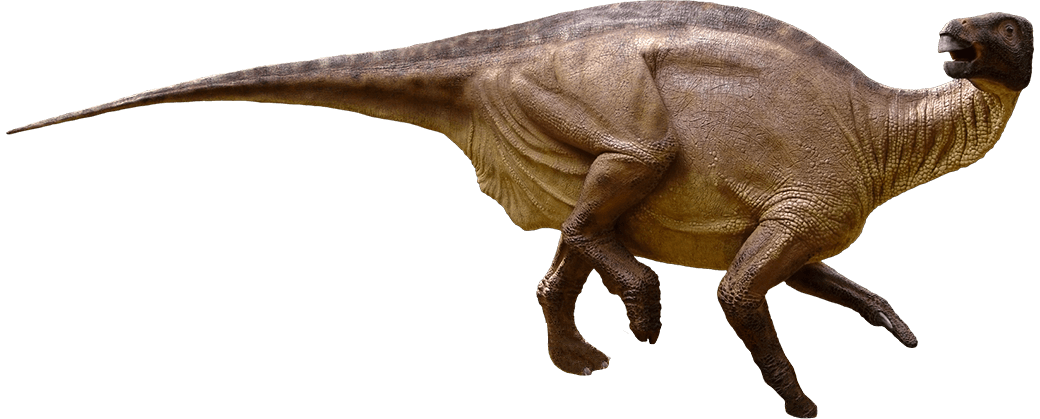
Diet : Herbivorous
Habitat : Forests
Length : 26 feet (8 meters)
Weight : Up to 7,000 lbs (3.2 tons)
Caririchnium “means track from a region called Carir” in Brazil. This track was probably made by the dinosaur Iguanodon. Trackers also use the name Iguanodontipus meaning “Iguanodon track” for similar footprints. Iguanodon and its tracks are best known from Europe, Asia and North America. In the Moab area Iguanodon remains are known from the Cedar Mountain Formation and it is fairly certain that this type of trackmaker made Caririchnium tracks from the same formation at the Mill Canyon tracksite.
Iguanodon was the second dinosaur ever named, in 1825. It was found in England in the same deposits as footprints it was thought to have made. Iguanodon has since been found in the USA and other areas, with the same type of tracks. Skeletal remains named Iguanodon ottingeri from the Moab area are named in honor of the famous Moab Rock Shop owner Lin Ottinger. In the 19th century Iguanodon was imagined to be a ponderous lizard with a horn on its nose, but the supposed horn turned out to be a spiky thumb. Iguanodon was a very common, large herbivore in the Early Cretaceous, and Caririchnium is one of the most widely known tracks found in rocks of this age.